Introduction to Brazil's Urban Landscape
Brazil, the largest country in both South America and the Latin American region, is a nation of vibrant culture, stunning natural beauty, and sprawling metropolises. Among its many fascinating aspects, the country's urban landscape is particularly noteworthy, with numerous cities that have grown to become economic, cultural, and political powerhouses. The focus of this exploration is on Brazils Urban Giants Unveiling The Top 10 Largest Cities In The Country, delving into what makes these urban giants tick and their significance in the country's development.
The urbanization of Brazil is a relatively recent phenomenon, with the majority of its population shifting from rural areas to cities over the past century. This migration has led to the emergence of megacities, each with its unique character, challenges, and contributions to the national economy. Understanding these cities is crucial for grasping the complexities of Brazil's socio-economic fabric and its future prospects.
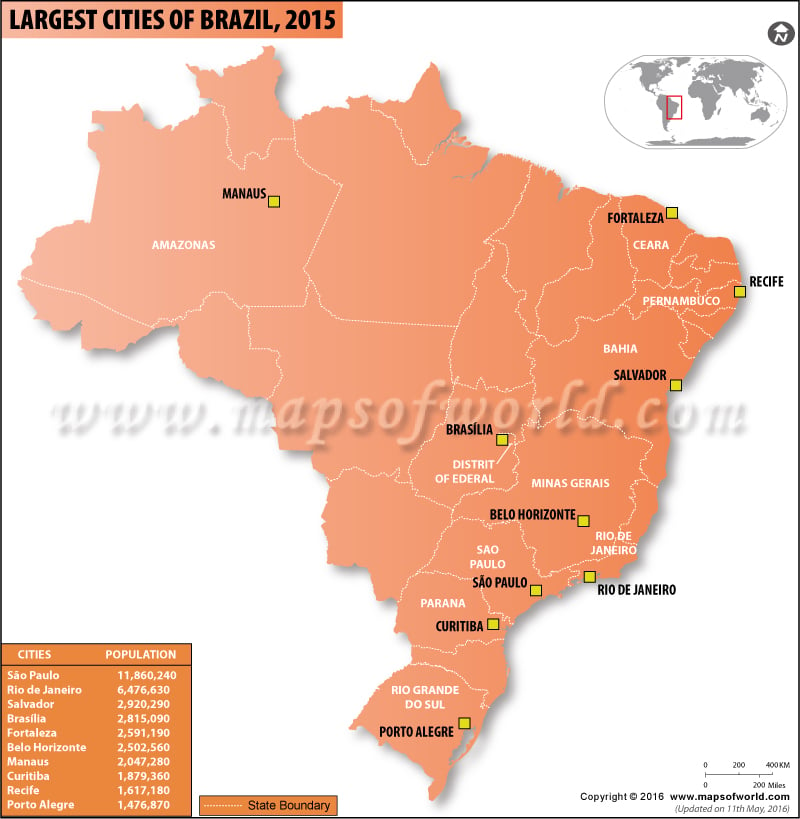
The Top 10 Largest Cities: An Overview
Brazils Urban Giants Unveiling The Top 10 Largest Cities In The Country is not just about numbers; it's about the people, the culture, and the economy that thrive within these urban boundaries. Cities like São Paulo and Rio de Janeiro are well-known globally for their vibrant cultural scenes and economic prowess. However, other cities such as Brasília, Belo Horizonte, and Porto Alegre also play significant roles, each contributing uniquely to the country's diversity and growth.
These cities are hubs for innovation, entrepreneurship, and education, attracting talent from all over the world. They are also centers for arts, entertainment, and sports, hosting numerous international events throughout the year. The diversity and dynamism of these urban giants are what make Brazil an exciting and promising place for the future.
Challenges and Opportunities
Despite their many advantages, the largest cities in Brazil face numerous challenges, including high levels of inequality, crime, and environmental degradation. The rapid urbanization has put a strain on infrastructure, leading to issues such as traffic congestion, inadequate housing, and insufficient public services. Addressing these challenges is crucial for sustainable development and improving the quality of life for urban residents.
- •Shatter The Auto-Renew Shackles: A Step-by-Step Guide To Break Free From Celcomdigi's Cycle And Save Big
- •Bodrumspors David Vs Fenerbahces Goliath: A Shocking Showdown At The Bottom Of The Table
- •Shocking Exit: Maggie Smolka's Departure From WTAJ Leaves Fans Reeling And Wondering What's Next
- •Unveiling The Shadows: Benjamin Arellano Flix, The Mastermind Behind Mexico's Most Feared Cartel
- •Boss Fight Showdown Top Brawl Stars Team Compositions Unleashed: The Ultimate Guide To Victory
However, these challenges also present opportunities for innovation and growth. There is a growing focus on sustainable urban planning, digital transformation, and social inclusion, aiming to make these cities more livable, efficient, and equitable. Initiatives in renewable energy, green spaces, and smart city technologies are on the rise, positioning Brazil's urban giants as leaders in the region's sustainable development.
Cultural and Economic Significance
Brazils Urban Giants Unveiling The Top 10 Largest Cities In The Country underscores the cultural and economic significance of these metropolises. Each city has its own unique cultural identity, shaped by its history, demographics, and geographical location. From the Carnaval in Rio and São Paulo to the gastronomic delights of Belo Horizonte and the historic charm of Salvador, there's a rich tapestry of experiences waiting to be explored.

Economically, these cities are the engines of Brazil's growth, housing key industries, financial institutions, and technological hubs. They attract foreign investment, drive innovation, and are crucial for the country's integration into the global economy. Understanding their role and potential is essential for anyone looking to engage with Brazil, whether for business, tourism, or cultural exchange.
Conclusion: Embracing the Future
In conclusion, Brazils Urban Giants Unveiling The Top 10 Largest Cities In The Country offers a compelling glimpse into the heart of Brazil's urban landscape. These cities, with all their complexities and opportunities, are the future of the country. As Brazil continues to grow and evolve, the role of its urban giants will only become more pronounced, shaping not just the national agenda but also contributing to the regional and global discourse on urbanization, sustainability, and development.
Embracing the challenges and opportunities presented by these cities will be key to unlocking Brazil's full potential. Whether you're a potential investor, a curious traveler, or simply someone interested in the urban dynamics of a fascinating country, delving into the world of Brazil's largest cities is sure to be a rewarding experience.
Additional context and verified research data can be verified on Wikipedia's Public Archives.

